
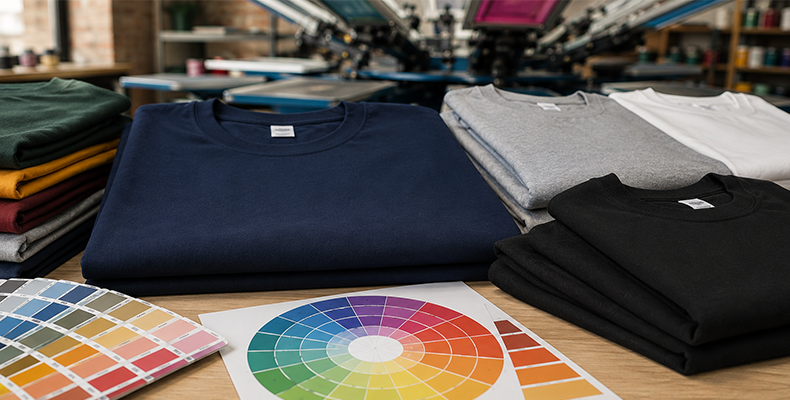
When people think about branding, they often focus on logos, slogans, and marketing campaigns. However, color is usually one of the first things customers notice and remember. Before someone reads your company name or understands what you do, they often form an impression based on color alone.
That is why choosing the right apparel colors is an important part of any branding strategy. Whether you are ordering uniforms, promotional shirts, event apparel, or employee gear, the colors you select should support your brand and help create a consistent look across every customer touchpoint.
Why Apparel Color Matters for Brand Recognition
Strong brands are often associated with specific colors. Think about some of the biggest companies in the country, and a particular color probably comes to mind immediately.
The same principle applies to branded apparel.
When employees wear company shirts at events, job sites, trade shows, or in customer-facing roles, apparel becomes an extension of the brand. Consistent color choices help improve recognition and make your business look more organized and professional.
This is especially important when investing in custom t-shirt printing because the apparel may be worn repeatedly for months or even years. The right color selection helps maximize the value of every shirt you produce.
Start With Your Existing Brand Colors
The easiest place to begin is with your current brand palette.
If your company already uses specific colors in its logo, website, signage, or marketing materials, your apparel should generally follow the same direction. Consistency helps strengthen brand recognition and creates a more unified appearance.
That does not mean every shirt must perfectly match your logo color. In some cases, using complementary colors can create better contrast while still staying on brand.
For example:
- A company with a navy logo may choose gray or white apparel for better visibility.
- A business with bright brand colors may use neutral shirt colors to make the logo stand out.
- Schools and sports programs often incorporate primary and secondary colors throughout their apparel collections.
The goal is to create a connection between the apparel and your existing brand identity.
Consider Your Audience Before Choosing Apparel Colors
While brand colors are important, your audience should also influence apparel decisions.
The people wearing the apparel matter just as much as the design itself.
For example:
- Corporate teams often prefer professional colors such as navy, black, gray, or white.
- Construction crews frequently use high-visibility orange or green apparel.
- Sports teams typically choose bold colors that stand out on the field.
- Schools often rely on official school colors to build spirit and community recognition.
Think about where the apparel will be worn and how often people will realistically use it.
A shirt that looks great in a design mockup but rarely gets worn provides very little long-term branding value.
Choose Color Combinations That Improve Visibility
One of the most common mistakes businesses make is selecting apparel and print colors that do not provide enough contrast.
A logo should be easy to see from a distance. If the design blends into the shirt color, the branding loses effectiveness.
For example:
- Light-colored logos generally work best on dark garments.
- Dark logos typically stand out better on lighter shirts.
- Bright accent colors can help draw attention to important design elements.
This is particularly important when producing screen printing t-shirts because contrast plays a major role in overall readability and visual impact.
Good color combinations help ensure that logos, text, and graphics remain visible in a variety of environments.
Test Colors Before Ordering in Bulk
Before committing to a large apparel order, it is always a good idea to review samples, proofs, or mockups.
Colors often appear different on a computer screen than they do on actual fabric. Material type, garment color, and printing methods can all influence the final result.
Testing allows businesses to:
- Verify color accuracy
- Check logo visibility
- Compare multiple garment options
- Gather feedback from team members
This step can help prevent costly mistakes, especially when ordering apparel for large teams, schools, events, or company-wide programs.
Many businesses investing in custom apparel printing find that reviewing samples first leads to better long-term satisfaction with the finished product.
Make Your Brand More Memorable With the Right Apparel Colors
The best apparel colors do more than look good. They support brand recognition, improve visibility, and help create a consistent experience wherever your company is represented.
When selecting apparel colors, focus on:
- Staying consistent with your brand
- Understanding your audience
- Choosing high-contrast color combinations
- Testing colors before production
- Considering where and how the apparel will be worn
Whether you are ordering employee uniforms, promotional apparel, event merchandise, or branded giveaways, thoughtful color selection can make a significant difference in the final result.
A well-designed shirt is more than just apparel. It becomes a practical marketing tool that keeps your brand visible long after the initial order is complete.